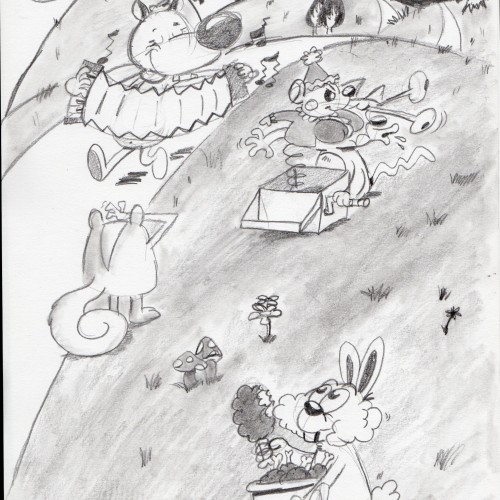
Lunch time and a spot of music = this.
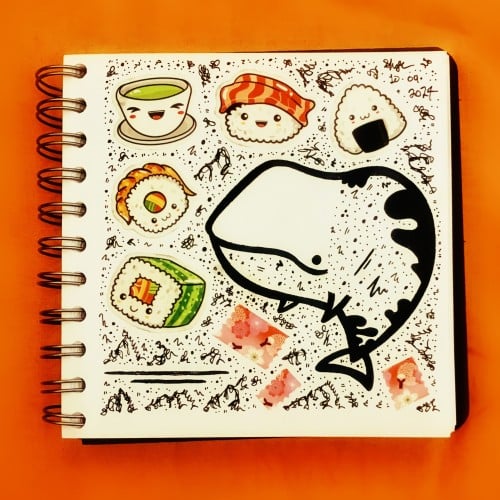
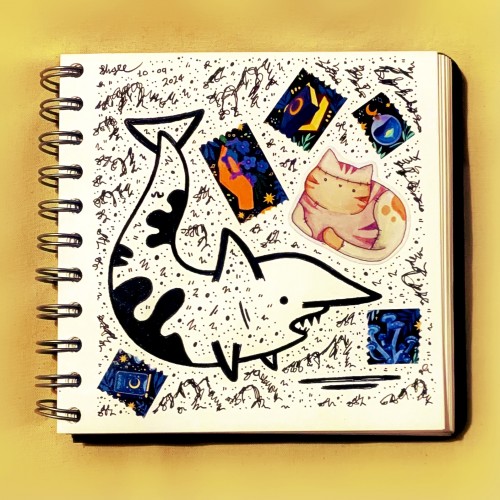
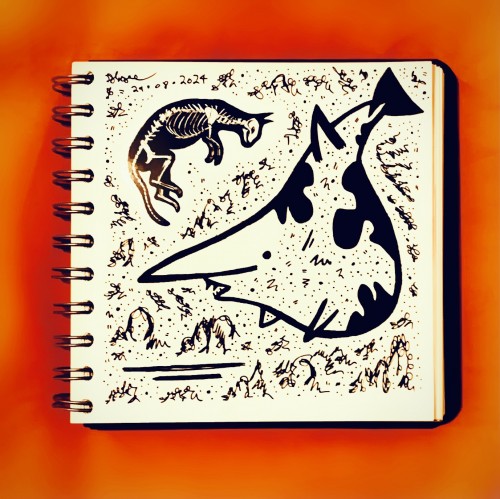
Sharks and undead cats unite :-)
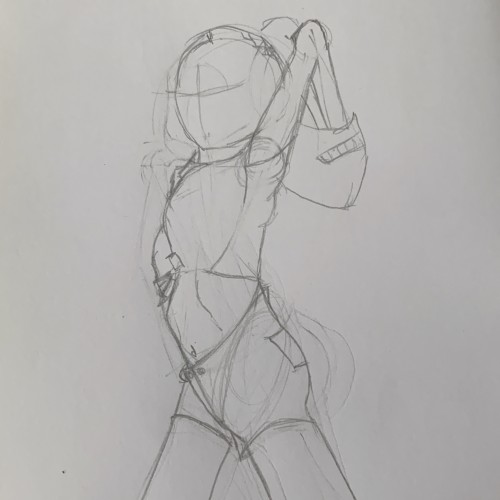
First one is a random doodle, I need to finish. 2nd doodle is an Oomkin (Or Boomkin) very happy and thrilled to get a lot of food. Third doodle is of an owlbear.
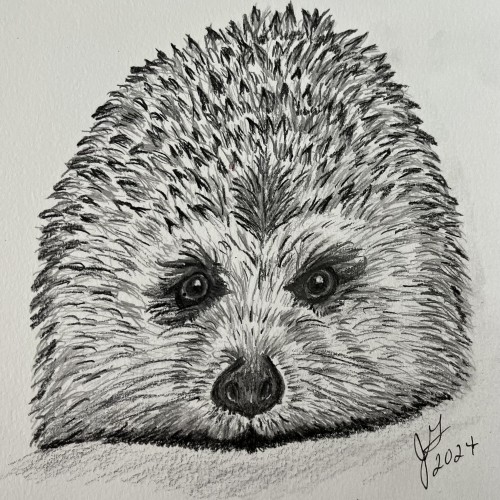
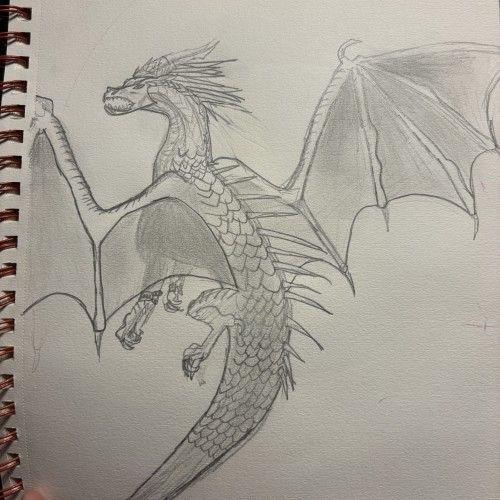
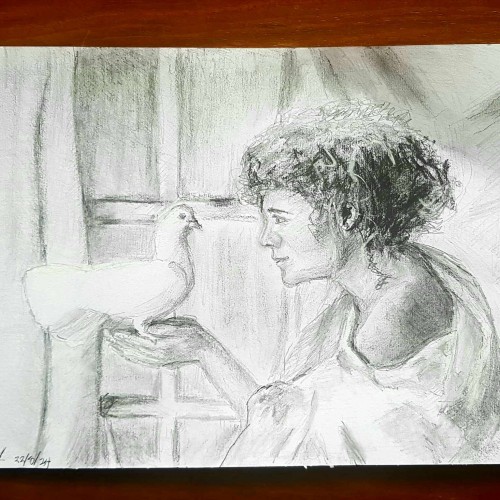
Pencil drawing
Scottish witchy things!
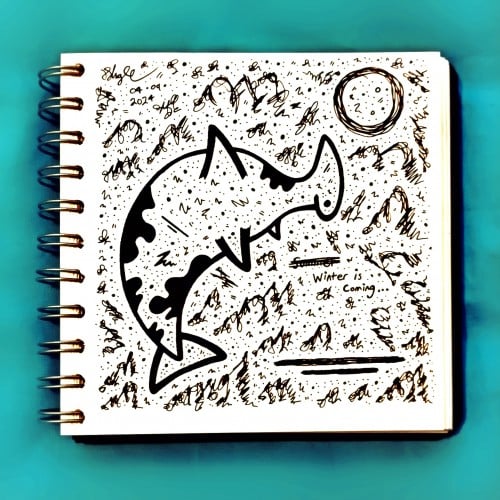
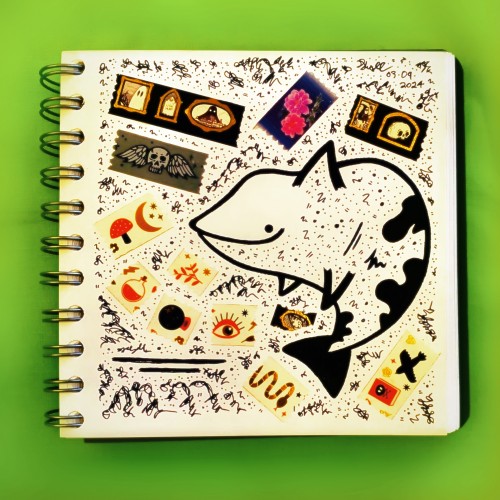
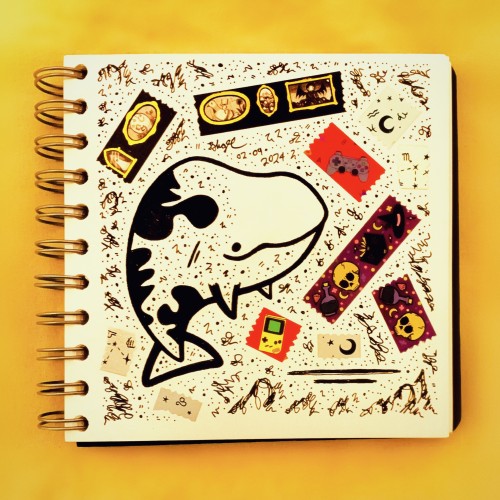
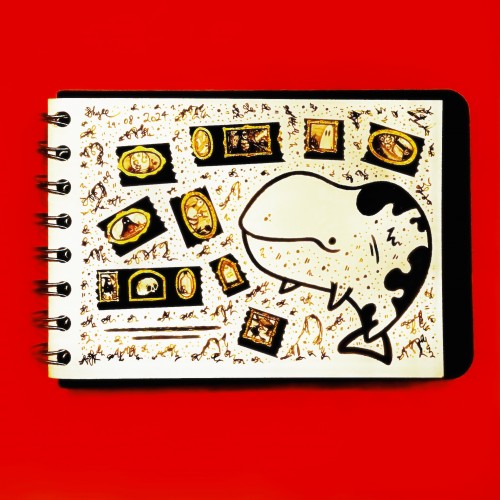
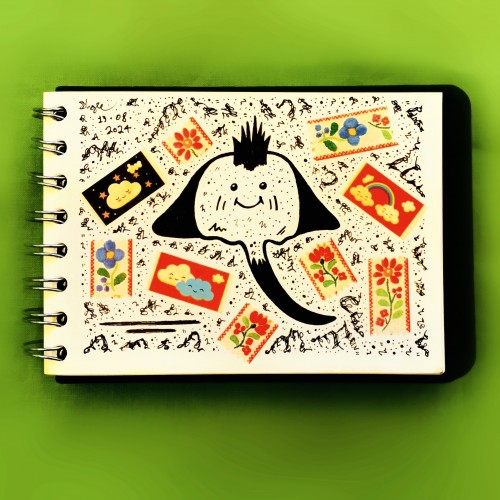
Winter shark time!
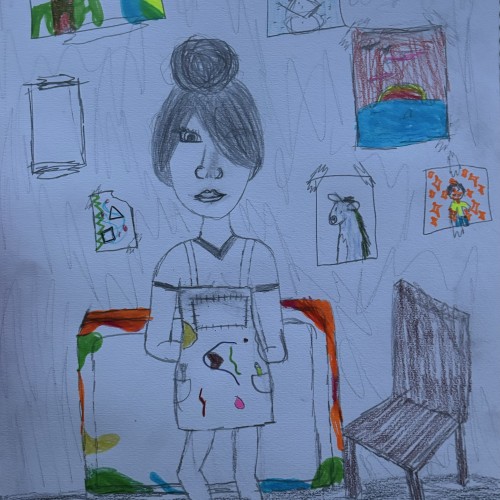
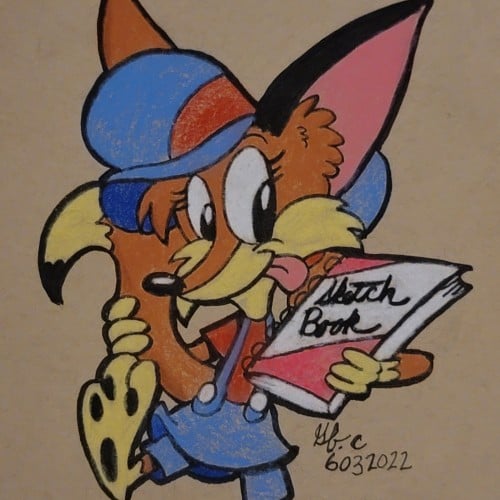
A doodle of an artist hiding a work-in-progress from the judgement of others.
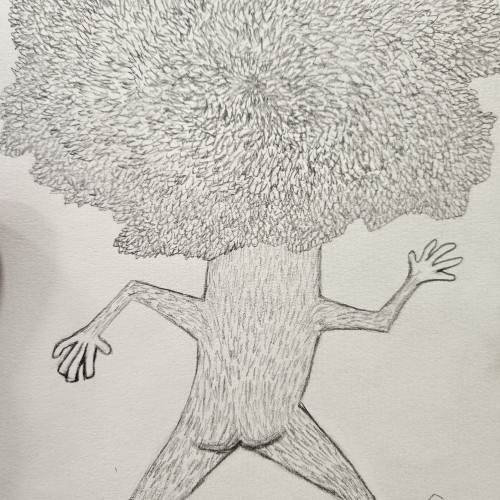
Inspired by what a Welsh newspaper article I randomly chanced upon had to say about the Green Man festival…
When you just gotta run
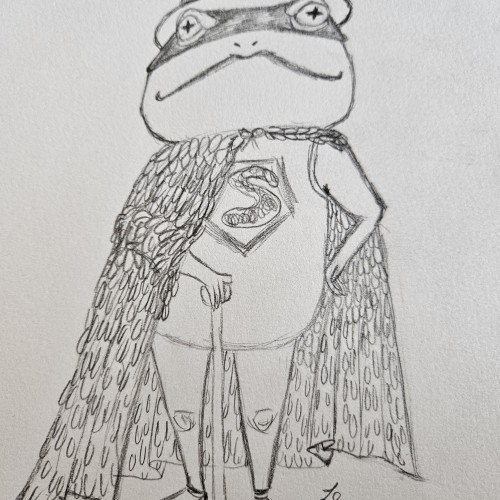
It's all about attitude
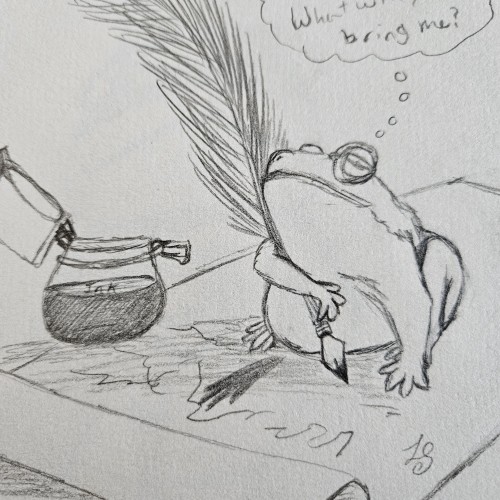
Lost in thought
As Halloween and Samhuinn fast approaches…
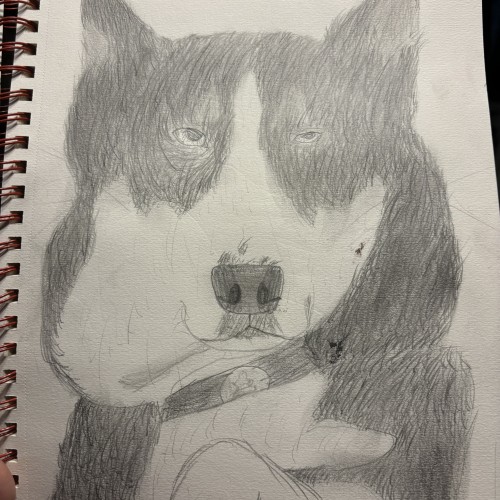
A drawing of my dog
Given my propensity for walking a little too fast in public spaces, I’m something of a “rapid charger” myself… xD
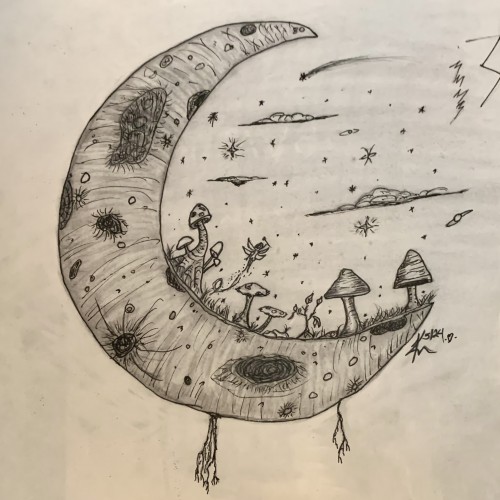
Cool moon
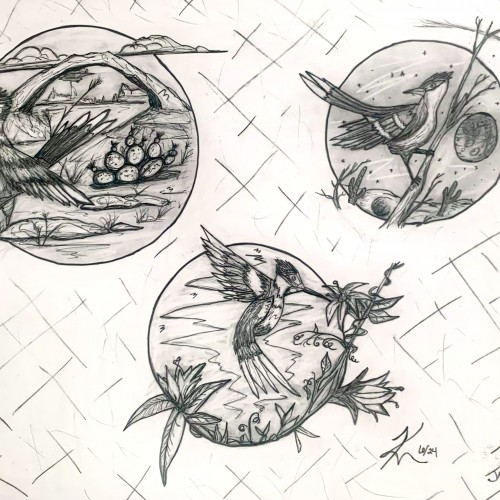
Texas birds
New sketchbook time! Introducing “Instant New Dolls” :-)
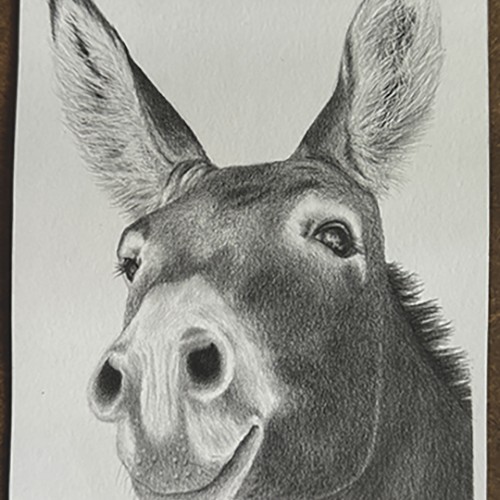
Graphite pencil on sketchpad paper.
Graphite on paper 5x7"
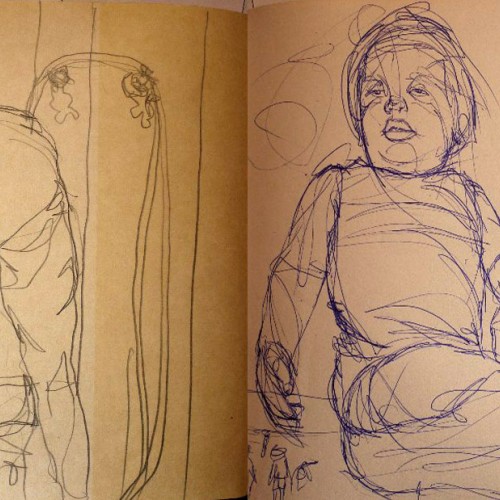
on the beach sketches biro and pencil on cardboard
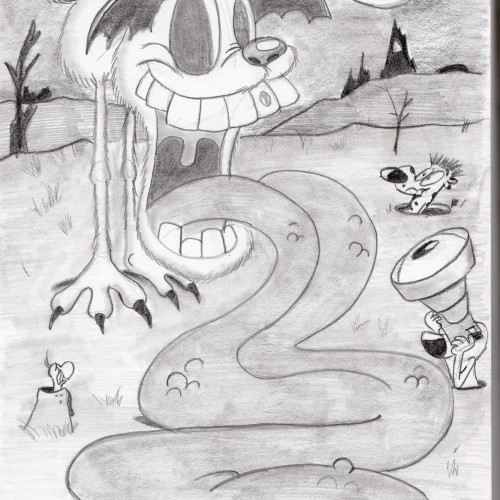
An H.P. Lovecraft style creature has been spotted out in the eerie wild of ...God only knows.
And that concludes the current sketchbook!
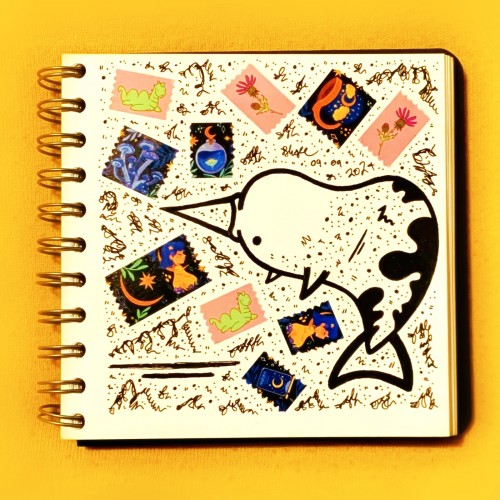
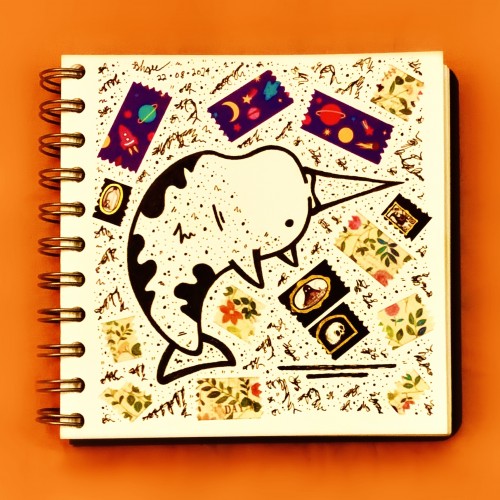
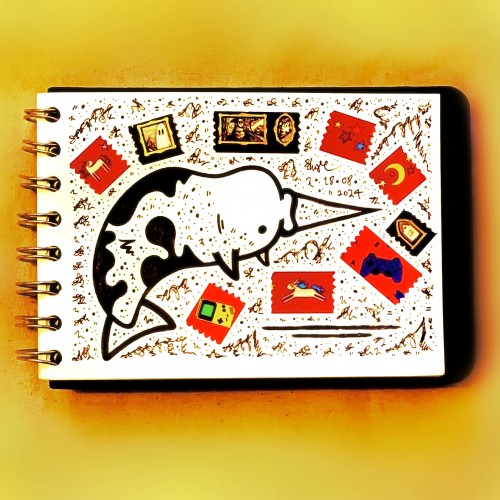
Narwhal time!
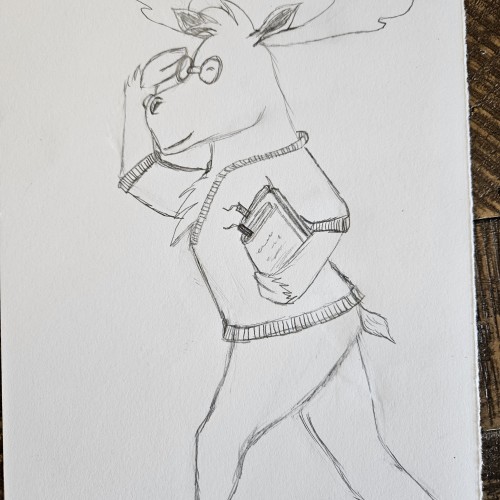
Here's a moose that loves to read
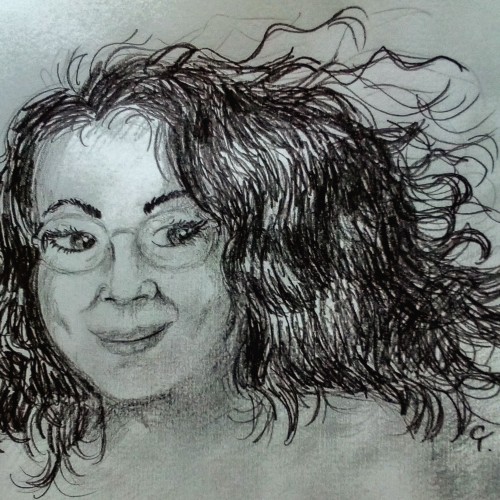
Windy pencil play.
All the plushies! All the Washi tape!
Rough out of a fox speaking to a fairy fo a children's storybook
Background practice. Vibble (one of my many OCs) plays her accordian, all while mayhem goes around her.